Source iso 9001 woodworking clamps for Backdrop, Home, and Workshop
Source iso 9001 woodworking clamps from verified Chinese manufacturers. Compare 30 listings featuring F-clamp and sliding rod designs in plastic and metal. Evaluate specs like 2-9 inch sizes and nylon or stainless steel components for your procurement needs; compare the available evidence and request quotations based on your requirements.
Key considerations
Products List






Comprehensive Sourcing Guide
ISO 9001 Woodworking Clamps Sourcing Guide
Sourcing woodworking clamps that align with ISO 9001 quality management principles requires a disciplined approach to supplier evaluation and product verification. Buyers must recognize that while ISO 9001 certifies the manufacturing process, it does not automatically guarantee specific product performance metrics without additional technical validation. This guide outlines the critical steps for identifying reliable suppliers, verifying technical specifications, and ensuring commercial terms support long-term procurement stability.
The following sections provide evidence-based guidance for navigating the complexities of industrial clamp procurement. By focusing on observable listing signals, technical requirements, and compliance documentation, buyers can mitigate risks associated with inconsistent product quality. The aim is to equip procurement teams with the knowledge to make informed decisions that balance cost efficiency with rigorous quality standards.
Product Scope and Observed Listing Signals
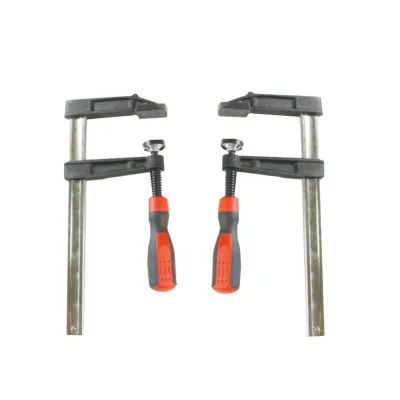
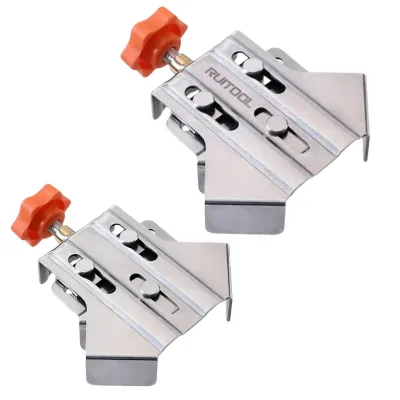
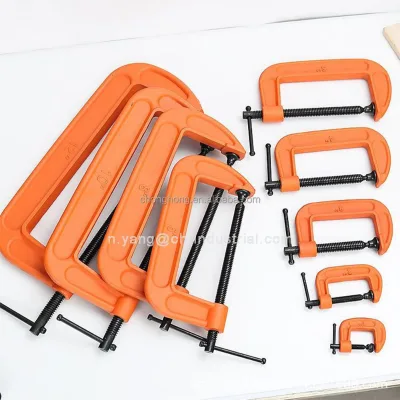
Market listings for woodworking clamps reveal a diverse range of product types, including F-clamps, bar clamps, and heavy-duty variants designed for various workshop applications. Observed product models such as AM-22308, AM16043, and SYJC series clamps indicate a broad spectrum of sizes and configurations available from manufacturers. These listings often highlight customization options, allowing buyers to tailor products to specific operational needs, whether for backdrop stands, home improvement projects, or professional woodworking tasks.
Pricing and minimum order quantities (MOQ) vary significantly across suppliers, with observed price ranges extending from $0.06 to $1050 and MOQs from 1 to 6000 units. This variance reflects differences in material quality, manufacturing complexity, and supplier scale. Buyers should note that products originating from regions like Ningbo, Zhejiang, and Shanghai are common, with materials ranging from plastic and nylon to stainless steel and A3 steel. Understanding these market signals helps in setting realistic expectations for cost and volume requirements.
Technical Specifications to Verify
Technical verification is paramount when sourcing clamps, particularly regarding material composition and structural integrity. Buyers must confirm the specific materials used, such as stainless steel handles, nylon clamps, or spray-coated clamp bodies, to ensure durability and resistance to corrosion. Specifications like length dimensions (e.g., 70mm to 212mm) and standard sizes (2-inch to 9-inch) must be cross-referenced with actual product samples to prevent discrepancies between ordered and delivered goods.
Additionally, structural features such as sliding rod materials (e.g., A3 Steel/Q235) and surface treatments play a crucial role in performance. Buyers should request detailed technical drawings or material certificates to verify that components meet the required strength and wear-resistance standards. It is essential to assess the clamping force and jaw design, ensuring they are suitable for the intended workload, whether for light DIY tasks or heavy-duty industrial applications.
Compliance and Safety Documentation
While ISO 9001 certification indicates a robust quality management system, buyers must also seek specific product compliance documents. This includes verifying adherence to relevant safety standards for industrial tools, which may vary by region and application. Documentation should cover material safety data sheets (MSDS) for any coatings or plastics used, ensuring they are free from harmful substances and suitable for workshop environments.
Buyers should also inquire about testing reports that validate the clamps' performance under load and stress. These reports should confirm that the clamps meet specified torque and pressure ratings without failure. Ensuring that suppliers provide comprehensive compliance documentation helps in maintaining workplace safety and avoiding regulatory issues, particularly when exporting products to markets with strict safety regulations.
Cost Drivers and Commercial Terms
Cost drivers for woodworking clamps include material costs, manufacturing processes, and packaging requirements. Products with stainless steel components or specialized coatings typically command higher prices due to increased material and processing expenses. Packaging options, such as inner boxes or plastic bag cartons, also influence the final cost, especially for bulk orders where protective packaging is essential to prevent damage during transit.
Commercial terms, including payment methods, shipping arrangements, and warranty policies, significantly impact the total cost of ownership. Buyers should negotiate clear terms regarding defect rates and replacement policies to mitigate financial risks. Understanding the breakdown of costs helps in making informed decisions that balance quality with budget constraints, ensuring that the procurement process remains efficient and cost-effective.
Supplier Qualification and Quality Control
Supplier qualification involves a thorough assessment of their manufacturing capabilities and quality control processes. Buyers should verify that suppliers have implemented ISO 9001 certified systems and conduct regular internal audits to maintain consistency. On-site visits or third-party inspections can provide valuable insights into production lines, raw material storage, and final quality checks, ensuring that products meet specified standards.
Quality control measures should include incoming material inspections, in-process checks, and final product testing. Buyers should request sample batches for evaluation before committing to large orders, allowing for a practical assessment of product quality and consistency. Establishing a clear communication channel with suppliers for feedback and issue resolution is also crucial for maintaining high standards throughout the procurement lifecycle.
Long-Term Procurement Checks
Long-term procurement success depends on continuous monitoring of supplier performance and product quality. Buyers should establish key performance indicators (KPIs) such as on-time delivery rates, defect percentages, and responsiveness to issues. Regular reviews of these metrics help in identifying potential problems early and taking corrective actions to maintain supply chain stability.
Building a strong relationship with suppliers through open communication and collaborative problem-solving can lead to improved product quality and service. Buyers should also stay informed about industry trends and technological advancements in clamp manufacturing to ensure that their procurement strategies remain competitive and aligned with evolving market demands. This proactive approach ensures sustained value and reliability in the long run.
FAQs
What materials are used for these woodworking clamps?
The clamps are primarily constructed from plastic and metal components. Specific models feature stainless steel handles and nylon clamps for durability. Some heavy-duty variants utilize A3 steel sliding rods with spray-coated bodies. These material combinations ensure strength and resistance to wear during intensive woodworking tasks.
Can I customize the packaging for bulk orders?
Yes, customization is available for bulk orders. Suppliers offer various packing options including inner boxes, plastic bags, cartons, and bulk bags. Standard configurations might include 200 pieces per inner box and 1000 pieces per outer box. Buyers can request specific packaging solutions to meet their logistical or branding requirements.
What sizes are available for the F clamps?
Available sizes include 2, 3, 4, 6, and 9 inches. Specific models also offer 8, 10, and 12-inch options. Length specifications range from 70mm to 212mm depending on the model. These dimensions cater to various woodworking needs, from small fixtures to larger assembly projects requiring robust clamping force.
Are these clamps suitable for heavy-duty applications?
Yes, certain models are explicitly designated as heavy-duty clamps. They feature robust structures like F clamps and use materials such as stainless steel and A3 steel. The spray-coated clamp bodies provide additional protection. These features make them suitable for demanding woodworking and home improvement applications requiring high stability.
Where are these woodworking clamps manufactured?
These clamps are manufactured in China, with specific origins in Ningbo, Zhejiang, and Shanghai. The products are new condition items adhering to standard specifications. Buyers can source directly from these regions, ensuring access to established manufacturing hubs known for producing high-quality woodworking tools and accessories.